A Guide to Chocolate: Dark, Milk, and Flavoured Varieties
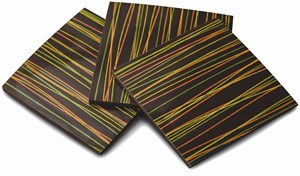
Walk into any sweet shop or supermarket aisle, and the sheer variety of chocolate on offer is staggering. From the intense, bitter hit of a high-percentage dark bar to the creamy, nostalgic comfort of milk chocolate, there is a variety to suit every palate. But what exactly separates them? Here is our guide to the wonderful world of chocolate varieties.
1. Dark Chocolate
The Profile: Dark chocolate is the purist's choice. Made with a high percentage of cocoa solids, cocoa butter, and sugar (but usually no milk), it boasts a deep, rich, and complex flavour profile. Depending on the origin of the cocoa beans, you might detect notes of dark fruit, tobacco, or even leather.
Best For: Pairing with red wine or whiskey, baking rich desserts, and enjoying a sophisticated, lower-sugar treat. It is also naturally vegan, making it a brilliant option for those avoiding dairy.
2. Milk Chocolate
The Profile: The nation's favourite. Milk chocolate contains a lower percentage of cocoa solids and the addition of milk powder or condensed milk. This results in a sweeter, creamier, and much smoother texture that melts beautifully on the tongue. It is the ultimate comfort food.
Best For: A quick mood boost, nostalgic snacking, and making traditional chocolate chip cookies. Its sweetness makes it incredibly popular with children and adults alike.
3. White Chocolate
The Profile: Often the marmite of the chocolate world. White chocolate contains no cocoa solids at all—only cocoa butter, sugar, and milk. It is incredibly sweet, with a distinct vanilla and creamy flavour profile. High-quality white chocolate should melt cleanly without leaving a waxy coating on the palate.
Best For: Adding a creamy sweetness to baked goods like blondies, pairing with tart fruits like raspberries, or for those who find dark chocolate too bitter.
4. Flavoured and Inclusion Chocolates
The Profile: These are chocolates that have been elevated with extra ingredients. Inclusions refer to things mixed into the bar (like roasted hazelnuts, caramel pieces, or crispies), whilst flavoured chocolate has had extracts or oils blended into the cocoa (like orange oil, mint, or sea salt).
Best For: Adding texture and excitement to your snacking. The contrast of a smooth milk chocolate with a crunch of a whole hazelnut, or the sweet-and-salty hit of sea salt flakes, can elevate a standard bar into something truly extraordinary.
Conclusion: There is no "best" type of chocolate—only what you are in the mood for. A rich dark chocolate is perfect with an after-dinner coffee, whilst a creamy, nut-studded milk chocolate is ideal for an afternoon treat. The best way to find your favourite is to keep tasting!
Leave a Comment
Comments
No comments yet. Be the first to comment!